Stories That Keep Homes Gentle and Furniture Alive
Today we explore Family Rituals for Sustainable Interiors: Teaching Furniture Care Through Narrative. By weaving small, meaningful stories into everyday habits, families can extend the life of beloved objects, reduce waste, and pass down practical wisdom. Together we will craft rituals that make maintenance feel comforting, creative, and shared, turning care into a joyful conversation that children, elders, and guests naturally understand and want to continue.

Rituals That Anchor a Household

The Sunday Sweep and Story Circle

Gather the household for a brief sweep, dust, and wipe while telling a quick story about where each piece came from. Mention who built the bookshelf, how the dining table hosted first birthdays, and why the chair creaks after rainy days. These anecdotes transform routine cleaning into meaning, guiding hands to be gentler and eyes to notice early signs of wear before damage becomes expensive or wasteful.

Naming Heirlooms to Spark Stewardship

Give furniture affectionate names that carry memory, like “Granddad’s Oak,” “The Dancing Chair,” or “Window Bench Sunny.” Names turn objects into companions, encouraging children to protect their friends rather than mistreat anonymous things. When a nick appears, the family can ask what “Sunny” needs—perhaps a soft sanding, a little beeswax, or a cushion rotation—framing maintenance as care for a cherished relationship that grows deeper with each attentive gesture.

Five-Minute Evening Reset with Meaning

Before lights out, invite everyone to return items to their places while recounting one small gratitude for the day’s shared spaces. Straighten throws, stack books, and smooth table linens. These tiny motions reduce dust traps, prevent accidental scratches, and keep surfaces ready for tomorrow. The spoken gratitude makes it feel rewarding, building discipline without resentment and establishing a daily safeguard against clutter, rushed spills, and hurried handling that shortens a piece’s life.

Materials, Memory, and Maintenance

Understanding materials turns myth into confidence. Oak and walnut crave periodic oiling; bamboo appreciates gentle, pH-neutral cleansers; linen cushions love vacuuming and rotating sunlight. When care stories highlight the science—humidity’s effect on joints, sunlight’s bleaching power, or grit’s sanding action—families make smarter decisions automatically. The more we narrate cause and effect, the more everyone treats furniture as living companions whose comfort depends on thoughtful environments, balanced moisture, soft cloths, and time-tested products used consistently and sparingly.

Speaking the Language of Wood

Tell the story of trees traveling into the home, still breathing through grain and finish. Explain how dry winters open joints and damp summers swell table leaves. Introduce a gentle ritual: seasonal oiling, coaster use, felt pads, and lift-don’t-drag moving. By linking tactile steps to understandable changes in climate, the entire family learns to predict needs and prevent cracks, rings, and stress fractures long before expensive repairs become necessary.

Textiles: A Tale of Fibers and Friction

Describe how lint, sand, and denim rivets can abrade fabric, while rotation extends cushions’ bounce. Fold in a story about a favorite armchair that stayed plush for a decade because every Friday someone vacuumed seams and flipped pillows. Emphasize gentle detergents, cool washing, and sun moderation. Tie these habits to longevity, showing children how small repeats keep colors bright, textures soft, and upholstery resilient under everyday reading, gaming, and family movie nights.

Child-Friendly Narratives that Teach Care
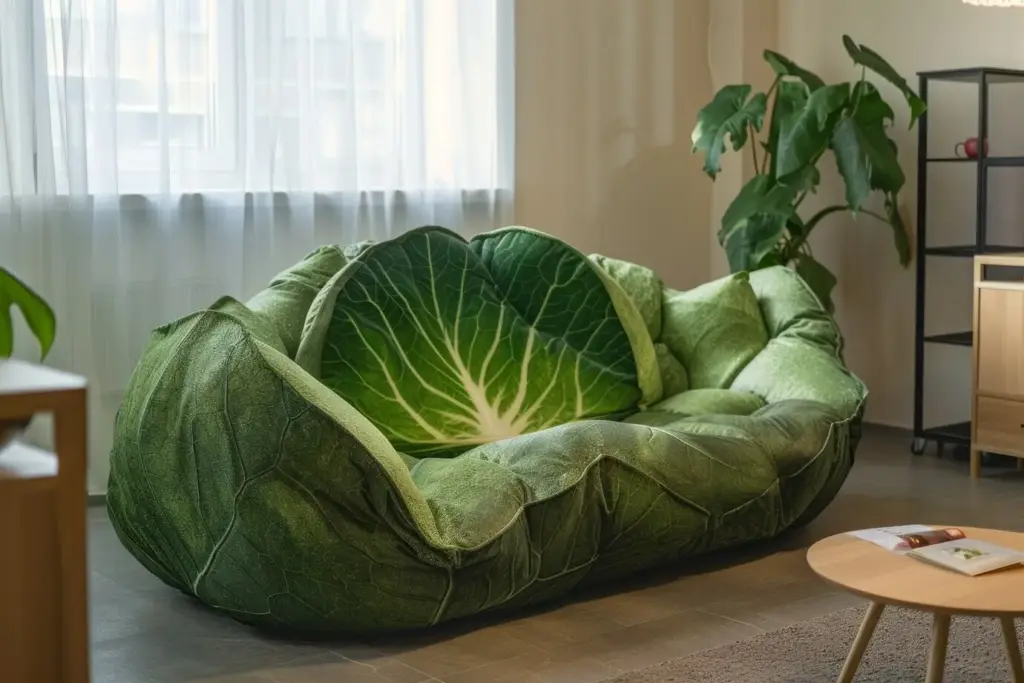
Children absorb lessons through stories and play. Transform maintenance into imaginative quests—rescuing a table from “water-ring pirates” or helping a couch regain its “super-cushion strength.” Build predictable, fun moments where responsibility feels like a game with visible results. Celebrate discoveries with stickers or doodled badges. By connecting action to immediate improvement, kids develop empathy for objects, patience with processes, and pride in stewardship, sowing lifelong habits that outlast trends and disposable mindsets.

The Coaster Quest

Invent a family legend about brave guardians who protect wood from sneaky circles left by hurried mugs. Place coasters within reach on every surface and rehearse the story during snacks. When someone remembers, cheer the small victory. The ritual reframes manners as heroism, transforming an easily forgotten detail into a memorable identity. Over time, guests catch on too, spreading respectful behavior that preserves finishes and reduces the need for refinishing or replacements.

Cushion Rotation Heroes

Give each cushion a role—Navigator, Dreamer, Listener—and rotate them weekly so every role gets a turn. Kids track assignments on a chalkboard, then compare how the sofa looks and feels afterward. This playful accountability improves airflow, redistributes pressure, and prevents sagging. By inviting children to notice cause and effect, you create proud observers of quality, curious about materials and willing to repair rather than discard when small issues inevitably appear.

Designing Spaces that Invite Care

Good layout makes care convenient. When tools are visible and reachable, people use them. Position coasters near seating, fold blankets into easy-grab baskets, and keep a compact care caddy in each room. Clear pathways prevent bumps; stable rugs reduce slips; soft lighting encourages calmer movements. By designing for graceful behavior, you reduce wear at its source, transforming homes into places where maintenance is as natural as breathing, not a burden postponed forever.

Repair, Restoration, and the Art of Continuity
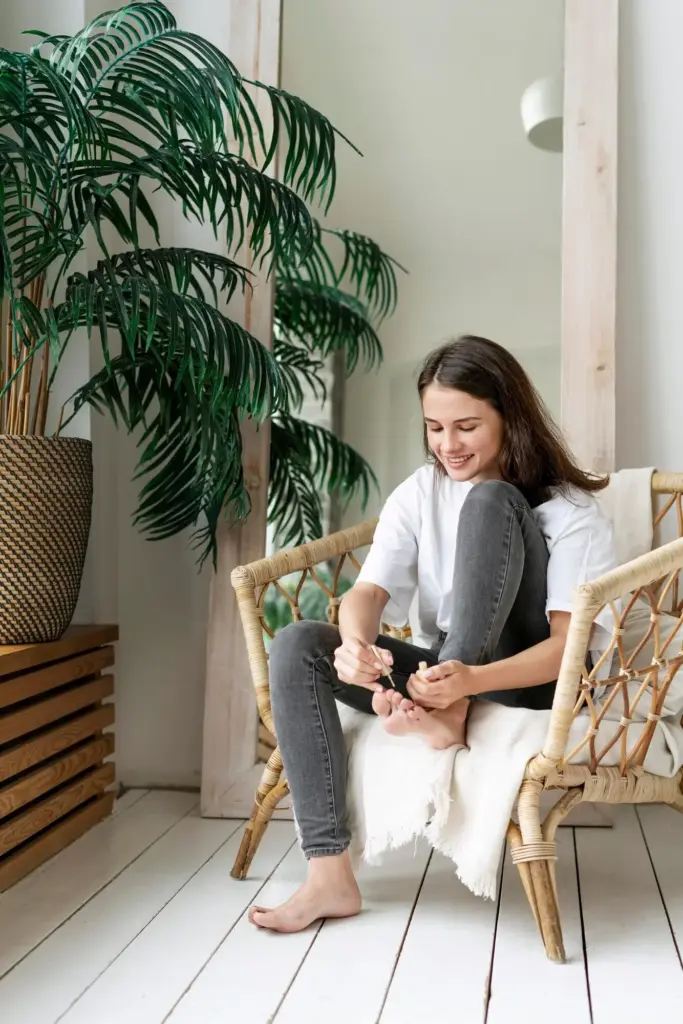
Repair is a love letter to the future. Instead of hiding flaws, tell the story of a scratch that became a lesson, a wobble that taught patience, or a stain that inspired protective habits. Equip the home with simple repair skills—tightening joints, filling dents, re-stitching seams—so small problems never grow into landfill decisions. Each saved piece carries visible wisdom, reminding families that longevity is beautiful, resource-smart, and deeply personal in practice.

Measuring Impact: Sustainability You Can Feel

The Longevity Ledger

Keep a simple notebook or digital sheet listing each piece, material, purchase year, and care routines performed. Add photos at anniversaries to show how condition improves with steady attention. The visual journey encourages consistency, helps identify neglected areas, and guides future purchases. Over time, the ledger becomes an heirloom in itself—proof that small, repeated actions saved resources, improved comfort, and turned the home into a workshop of mindful, measurable progress.

Counting Carbon, Counting Memories

Pair a lightweight carbon estimate with a memory note. For every avoided replacement, record the emission savings and the story that made care possible. This twin accounting—numbers plus narrative—keeps sustainability human and motivating. Children learn that data has heart, while adults appreciate practical justification. Together, these entries become powerful reminders that care decisions ripple outward, influencing budgets, ecosystems, and the shared pride of holding onto things that still work beautifully.

Community Accountability and Celebration

Share monthly wins on a family board or neighborhood chat: the repaired drawer, successfully re-oiled countertop, or reupholstered seat saved from the curb. Invite others to celebrate, swap methods, and ask questions. External recognition builds momentum and normalizes maintenance as admirable. This kind transparency spreads skills, reduces stigma around repair attempts, and creates circles of encouragement where everyone learns faster, fails safely, and grows a collective library of practical, caring knowledge.

Community, Continuity, and Collective Wisdom
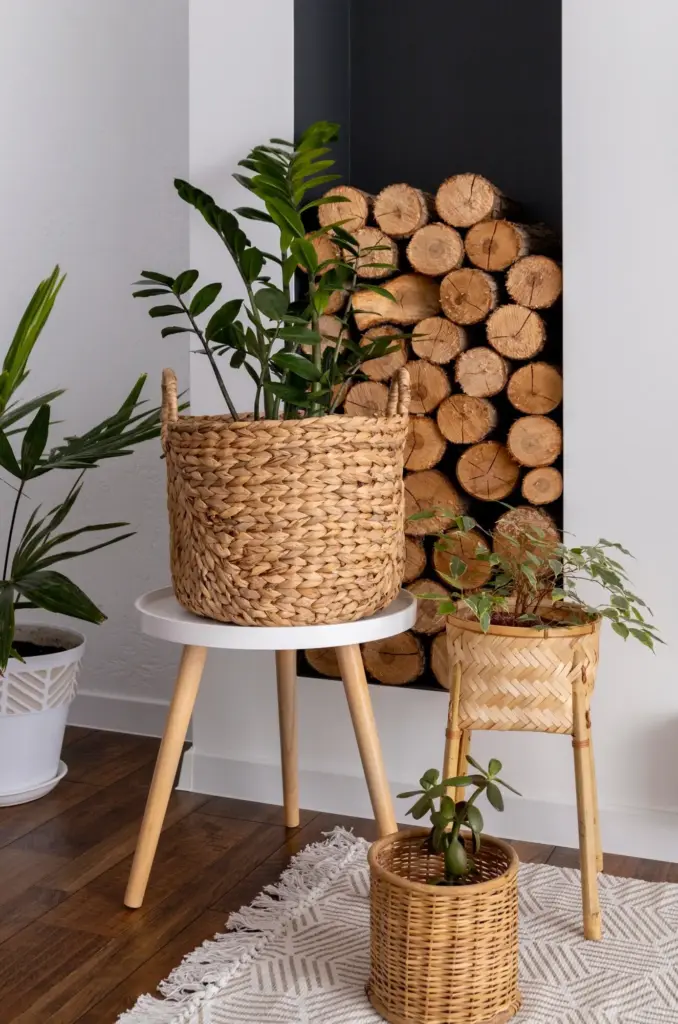
Care thrives when shared. Neighbors lend tools, elders recall finishing recipes, and friends trade fabric swatches. Host small circles to swap repair tips and stories about pieces that stayed. Turn gatherings into hands-on studios where people leave empowered, not intimidated. As narratives spread, so do gentle habits, reducing waste street by street. The home becomes a node in a supportive network, sustaining objects and relationships with equal tenderness and purpose.
Maxoxefovufemokozehenafu
Privacy Overview

This website uses cookies so that we can provide you with the best user experience possible. Cookie information is stored in your browser and performs functions such as recognising you when you return to our website and helping our team to understand which sections of the website you find most interesting and useful.