Homes That Heal: Culture-Led Paths to Greener Interiors
Respect Before Renovation

Circles, Altars, and Orientation
Mottainai Mornings
Lagom Evenings
Dyes with Dignity
Motifs with Meaning
Textiles That Teach

Spaces That Breathe with Climate
Ethical Sourcing and Reciprocity
01
Trace the Hands
Ask vendors to document maker names, workshop conditions, and material origins. Keep provenance cards attached or scanned into a household archive. When something breaks, contact the maker first for repair guidance. This loop preserves craftsmanship, prevents wasteful replacements, and fosters mutual pride. Over time, your home becomes a respectful gallery where every piece carries dignity, instruction, and clear pathways for responsible upkeep.
02
Pay What Sustains
Budget with fairness in mind, accounting for living wages, safe dyes, and slower production timelines. Choose fewer, better pieces and negotiate respectfully, not aggressively. If funds are limited, explore payment plans offered by cooperatives rather than discount demands. Share reviews that highlight ethics alongside beauty, directing others toward conscientious choices. Your spending becomes a vote for ecosystems, families, and future-making techniques that endure.
03
Repair, Return, Reuse
Favor brands and studios with clear take-back programs, spare-part catalogs, and repair tutorials. Store offcuts, finish samples, and matching fasteners in labeled envelopes for future fixes. When needs change, resell with full care histories or donate to libraries of things. Circular habits feel generous, extending usefulness beyond your household and demonstrating that design maturity includes graceful exits and thoughtful second beginnings.

A Grandmother’s Table, Renewed
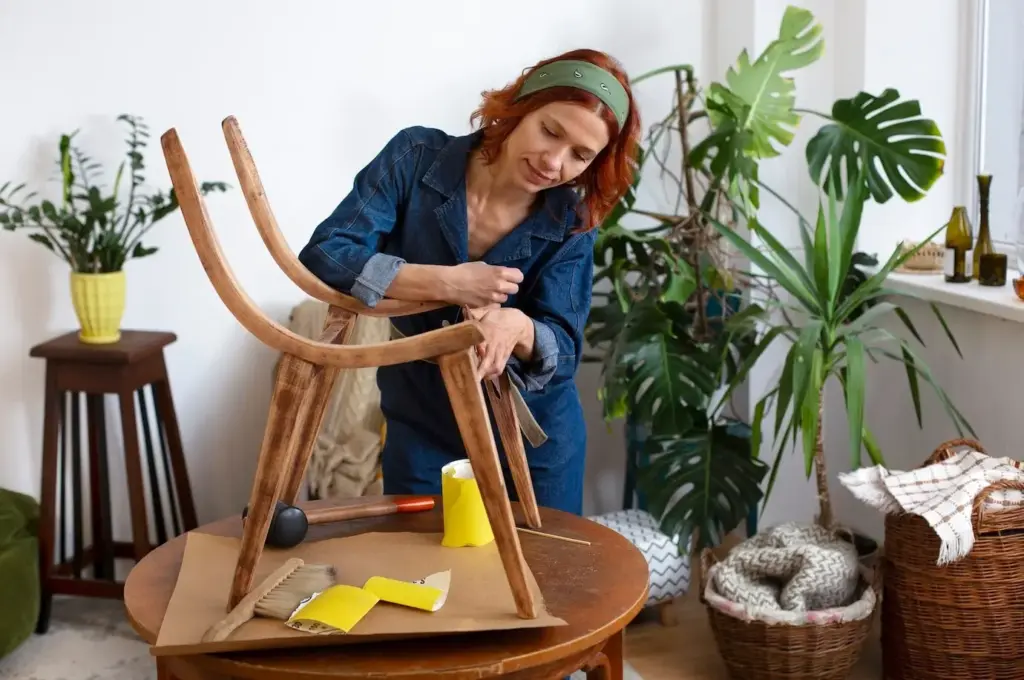
A scratched oak table became the home’s anchor after a careful sanding with borrowed tools, plant-based oil, and stitched linen runners from a neighbor’s workshop. Family recipes were taped under the leaves, inviting conversation while cooking. Energy use dipped as gatherings centered here, replacing screen time. The table’s dings now read like chapters, teaching patience, thrift, and celebratory maintenance through seasons of shared meals.
The Courtyard That Came Back
A paved parking nook transformed into a shared courtyard with planters made from reclaimed brick, a communal bench, and a rain barrel feeding herbs. Neighbors hold dusk tea, trade seeds, and mend tools. Apartments cool faster at night thanks to shaded breezes, and hallway clutter vanished as people now share storage thoughtfully. What began as landscaping became belonging measured by laughter and resilient harvests.
A Rental with Roots
In a small rental, removable cork tiles, clip-on shelves, and lightweight curtains created calm without drilling or waste. A portable altar shelf welcomed daily gratitude, while a borrowed sewing machine extended curtain life. Move-out was simple: patches, touch-up, and generous notes for successors. The landlord now recommends similar setups, proving that care-focused interiors can flourish within constraints and inspire better building policies over time.
Try, Share, and Grow Together