
De-nailing without Drama
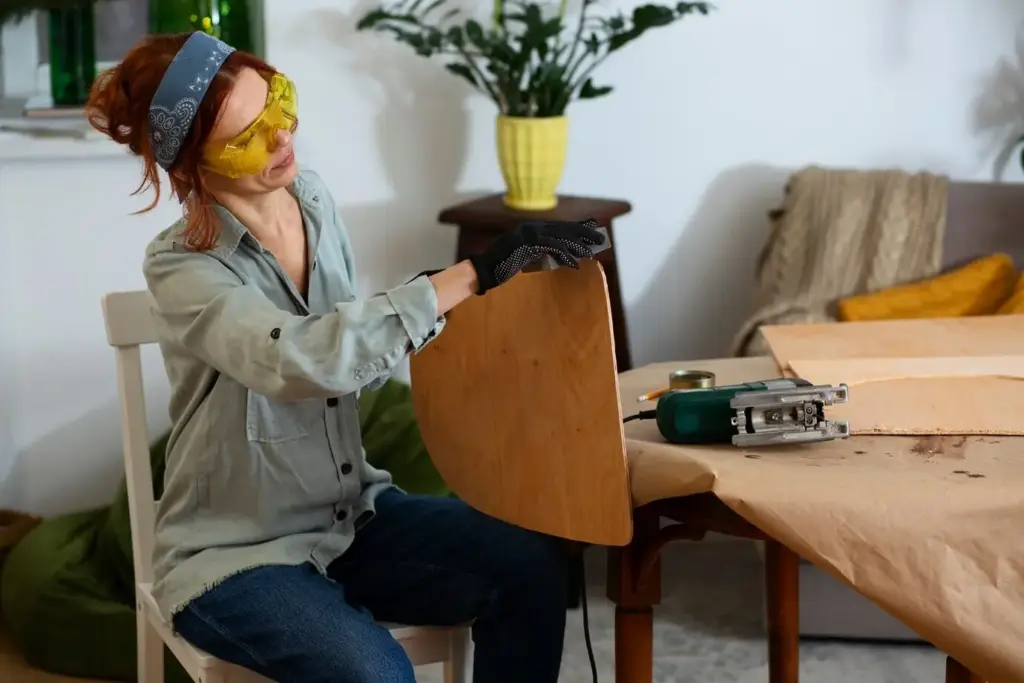
Use a quality metal detector and mark each hit. Pry slowly with cat’s paw and end nippers, supporting fibers to avoid tear-out. Heat stubborn fasteners with a soldering iron to soften pitch. For buried heads, drill pilot reliefs and punch through. Keep a magnet tray for removed hardware. Celebrate every liberated nail; each one means safer blades, straighter cuts, and fewer heart-stopping sparks.

Moisture, Movement, and Milling Order
Measure moisture content with a calibrated meter and allow acclimation to shop humidity for days, sometimes weeks. Joint one face lightly, then one edge, letting wood relax between sessions. Rip to rough width, plane incrementally, and sticker between steps. Aim for parallel faces without chasing every cosmetic blemish. Movement is natural; patience and staged milling convert stress into stability that survives seasonal swings gracefully.
Flattening, Patching, and Keeping Character
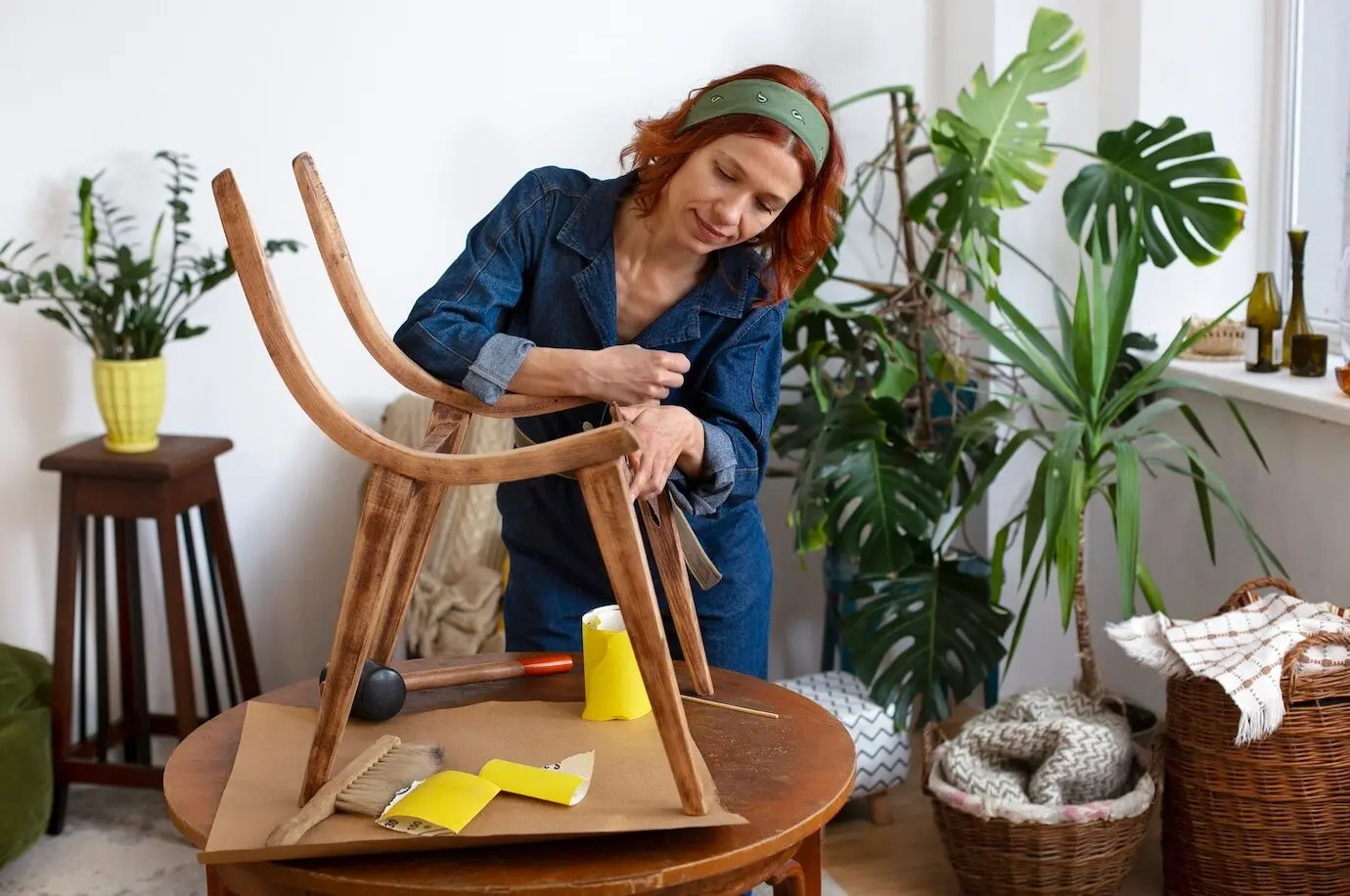
Use winding sticks and a long straightedge to reveal twist, then attack high spots with a jointer plane or sled. Fill voids intentionally: tapered Dutchman patches, bowtie keys, or matching plugs that honor defects instead of hiding them. Avoid heavy epoxy floods if low-emission goals guide your build. Subtle, wood-based repairs age beautifully, invite touch, and leave the tabletop easier to refresh later.